You can see that difference immediately in the photographs. The cover image of a cottage listing has to sell a feeling, not just document a building.
Research backs this up clearly. A large-scale analysis by VHT Studios found that homes with professional photography sold 32% faster than comparable listings — 89 days on the market versus 123 [1]. Redfin also found that homes photographed with DSLR cameras sold for $3,400 to $11,200 more than comparable properties shot on smartphones or point-and-shoot cameras [2]. The same Redfin eye-tracking study showed that buyers spend far more time looking at photos than reading the property description [3].
With cottages, the effect is even stronger, because buyers are choosing a place, a rhythm, and a feeling as much as a building. After photographing cottage properties around Kymenlaakso, Saimaa, and the Gulf of Finland archipelago, these are the seven things I see making the biggest difference.
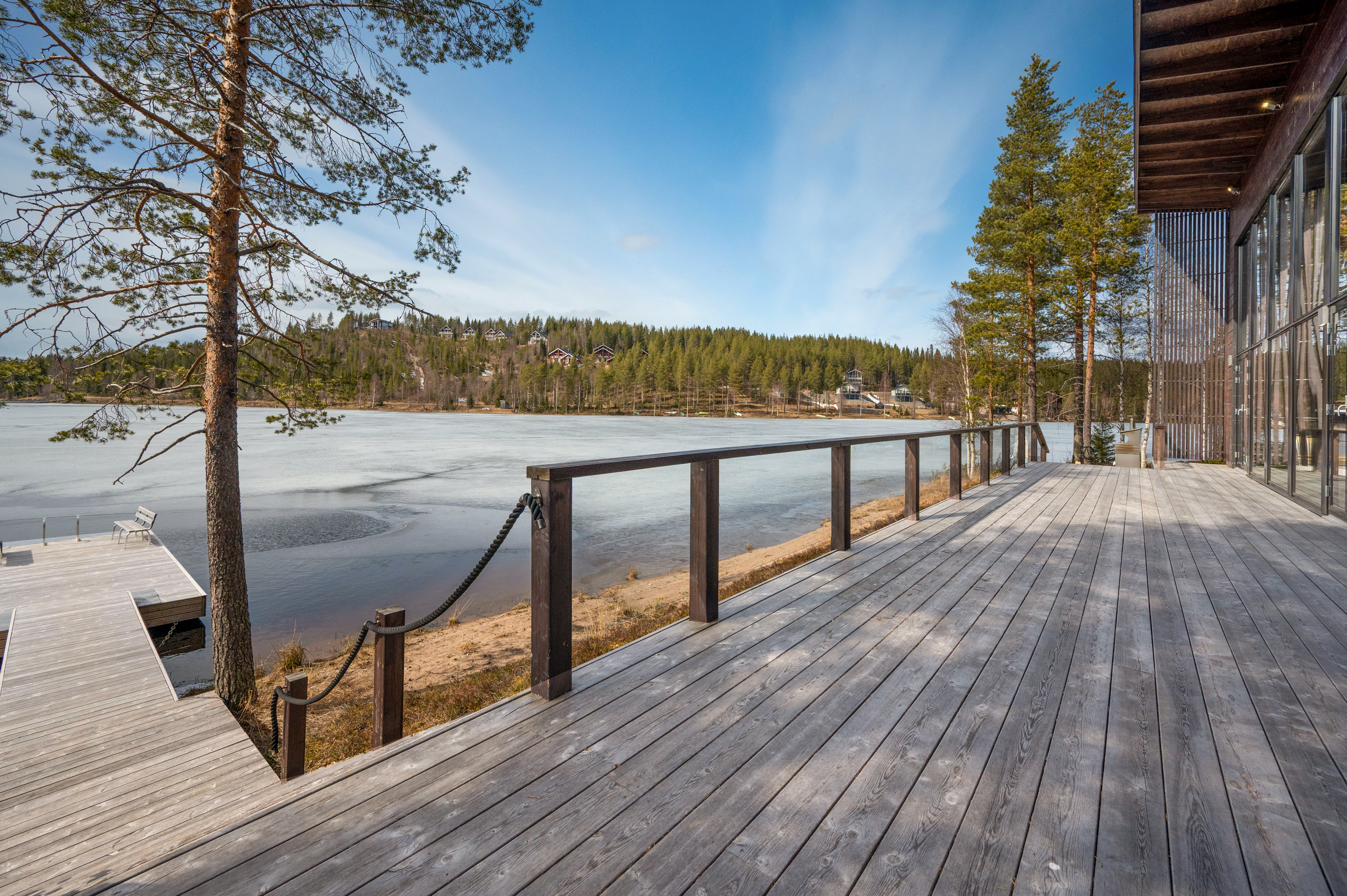
01 Shore and dock before the main building
In an apartment listing, the floor plan often carries the weight. In a cottage listing, the shoreline does. When buyers scroll through listings on platforms like Oikotie or Etuovi, the decision to click usually happens because of the cover image, and that image is very often the shore, the dock, or the view across the water.
This fits what buyer behaviour research shows: when viewers spend most of their attention on photographs and only seconds on each result [3], the cover image matters disproportionately. I nearly always photograph the shore first, regardless of weather, because it often becomes both the lead image of the listing and the visual anchor for the rest of the marketing.
02 Drone photography is information, not spectacle
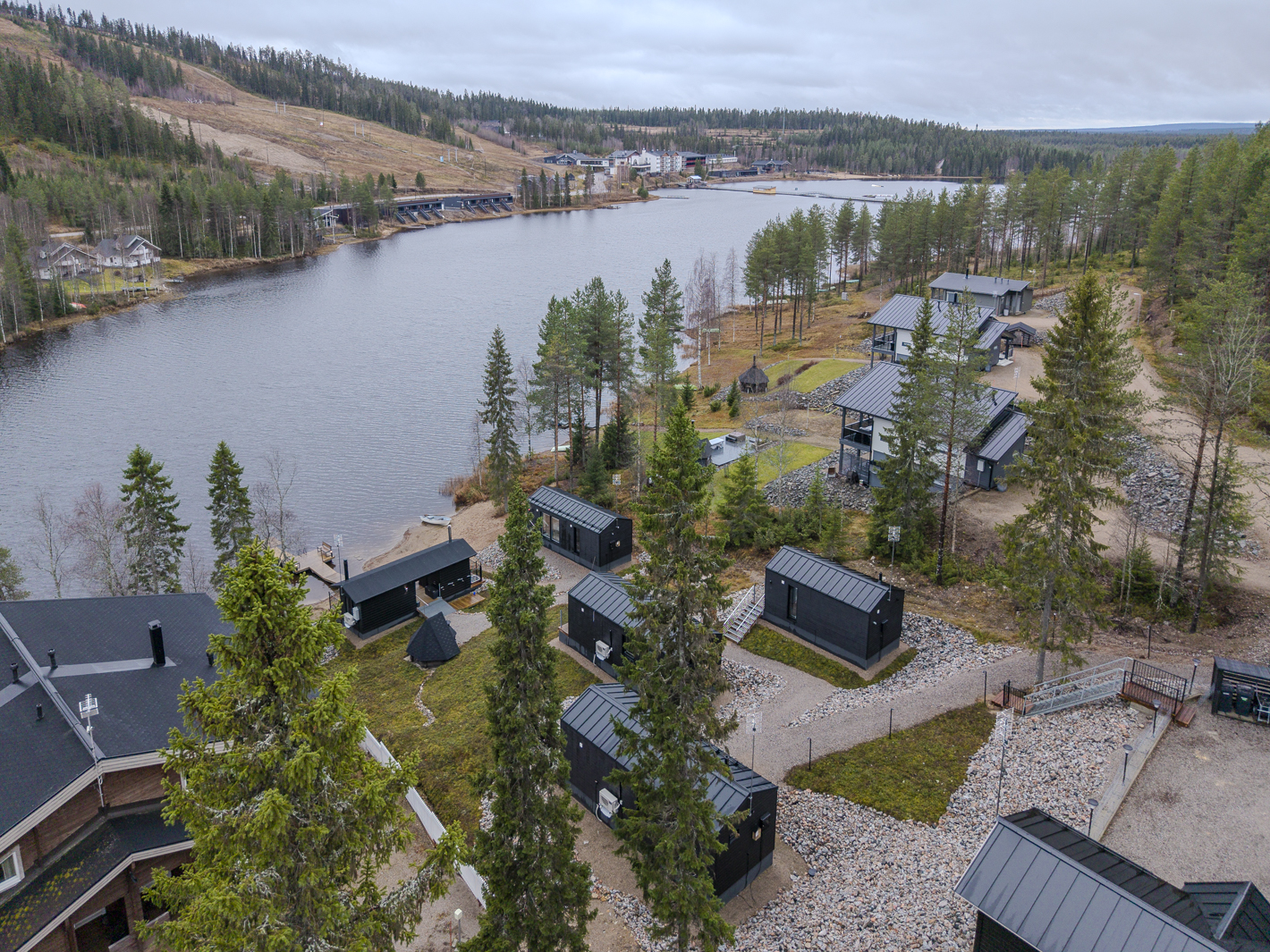
Cottage buyers usually want to understand three things right away: where the plot sits, how it relates to the surrounding landscape, and how close the water really is. Ground-level photos rarely answer those questions well. One strong drone image can do that work instantly.
Industry research indicates that listings with aerial photography sell up to 68% faster than those with ground-level photos alone [4]. For cottage properties, this premium is likely even higher, because environment and proximity to water are core decision factors for buyers.
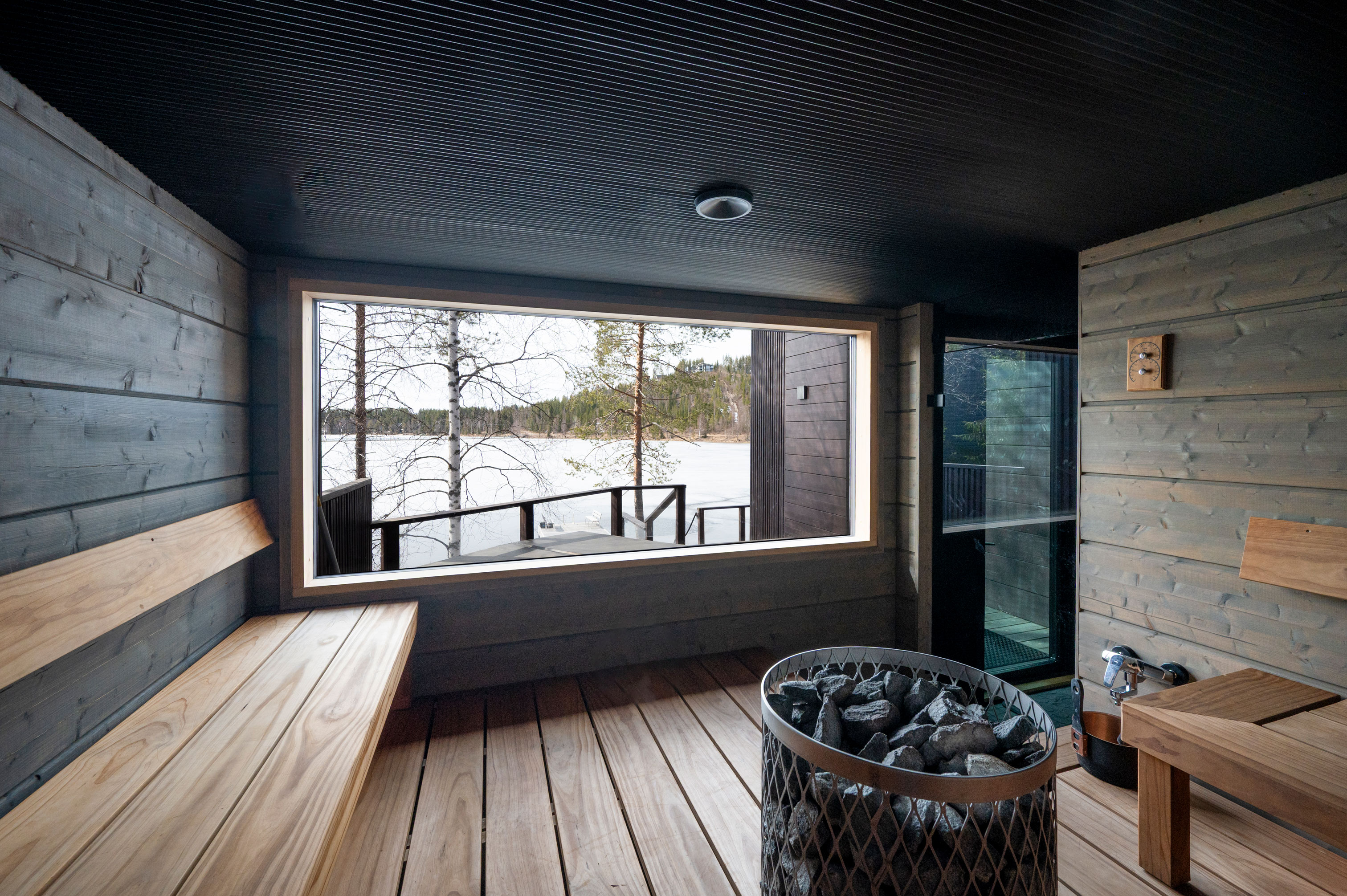
03 Photograph the sauna like a bedroom, not a bathroom
The sauna is often the emotional centre of a cottage, so it deserves to be photographed with care. Think of it the way you would think of a bedroom: calm, warm, and ordered. A single thoughtful detail, such as a birch whisk or a bucket and ladle, is usually enough. If the sauna window opens toward the lake or the sea, bring that into the frame whenever possible.
04 Choose the season deliberately
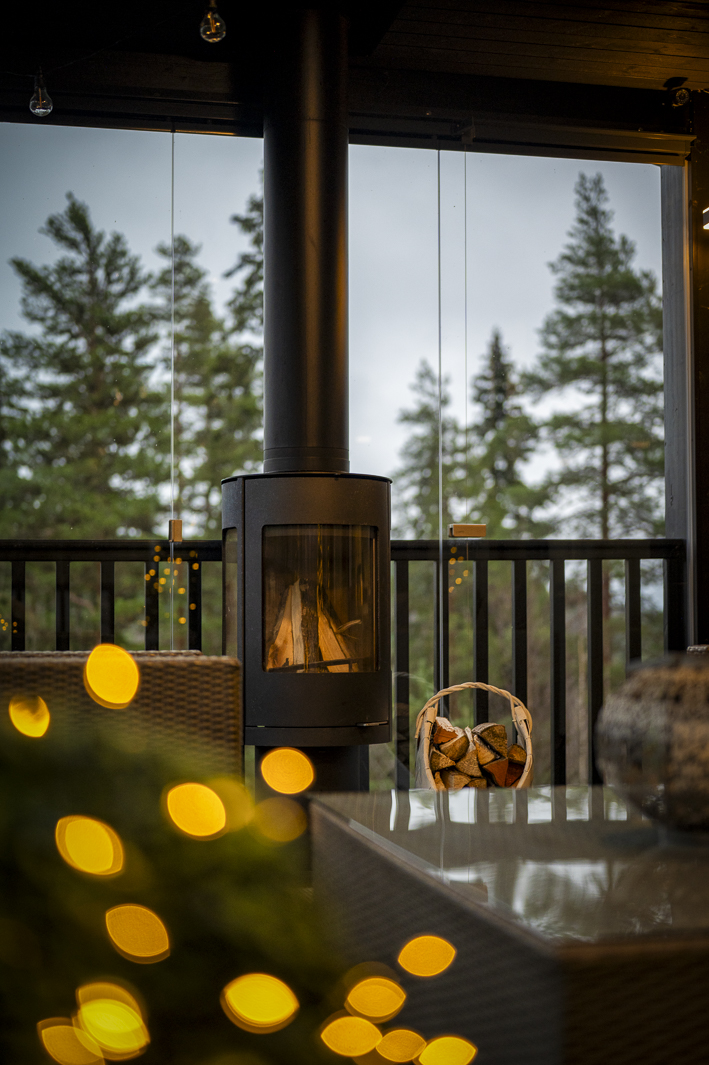
Summer is usually the safest default: the dock is in the water, the yard is green, and the terrace looks ready to use. But that does not automatically make summer the best choice. If the cottage has a strong fireplace, a beautiful winter setting, or a particularly cosy interior, winter images may carry more emotional weight.
Cottages also tend to stay on the market longer than apartments, sometimes across more than one season. When timing allows, a two-season image set can be extremely useful. It gives the agent fresh material and helps the listing feel alive again when the season changes.
05 The blue hour — the 20 minutes that transform an image
After sunset, there is a short window when the sky turns a deep, saturated blue and the interior light begins to glow warmly through the windows. That contrast creates one of the most memorable images a cottage listing can have. Very often, this becomes the photo that stops the scroll.
When buyers spend only seconds deciding whether to stop or move on, a blue-hour image creates a real advantage. It is difficult to replicate quickly, and it gives the listing a level of atmosphere that ordinary daylight phone shots rarely match. That short window is almost always worth planning around.
06 Preparation: less stuff, more atmosphere
Cottages always come with visible signs of life: life jackets, beach shoes, fishing gear, towels drying outside. All of that makes sense in daily use, but in sales photography the buyer needs room to imagine their own life there. In practice, that usually means putting most visible items away and leaving just a few thoughtful details in each room.
I've put together a more detailed preparation guide on the site — walking through it before the shoot is usually the single biggest factor between a good and an excellent result.
07 One quiet image beats several busy ones
A common mistake is trying to show too much in a single frame. In a cottage living room, that can mean the kitchen, dining table, fireplace, and window all competing for attention at once. The result feels busy and nothing stays in the viewer's mind. Two calmer images will almost always work better than one overloaded one.
A cottage sales listing usually needs around 18 to 25 strong images, not 60. What matters is not quantity by itself, but whether each photo adds something new. Industry research does suggest that photo count can support inquiry volume, but only when the images are genuinely useful and varied [5].
Summary
The photography in a cottage sales listing is not a finishing touch. It is part of the sales strategy. Research consistently shows a strong return on professional photography [6], and with cottages the difference can be especially meaningful, because buyers are responding to atmosphere and setting as much as to the property itself.
Ready to have your cottage photographed for sale?
Interior and exterior photography, drone, and a social media clip. Delivered within 48 hours. Suitable for both sales and rental listings.
References
- VHT Studios (2018). Professional Real Estate Photography Sells Homes 32% Faster. Analysis of the Chicago real estate market showing professionally photographed listings sold in 89 days on average, versus 123 days for non-professionally photographed listings. prnewswire.com
- Redfin Research. Impact of Professional Photography on Listing Sale Price. Study showing DSLR-photographed homes sold for $3,400–$11,200 more than comparable listings shot with smartphones or point-and-shoot cameras. snappr.com
- Redfin Eye-Tracking Study. How Buyers Look at Listing Photos. Eye-tracking research showing buyers spend 60% of their listing review time on photographs, 20% on the property description, and 20% on agent comments. homejab.com
- Visually Sold (2025). Real Estate Photography Statistics: Impact on Sales & Prices. Industry review showing aerial-photographed listings sell up to 68% faster than those with ground-only photos. visuallysold.com
- PhotoUp (2025). 25+ Mind Blowing Real Estate Photography Statistics. Summary of industry research including Redfin, NAR, and VHT Studios datasets. photoup.net
- UMedia Services (2025). Real Estate Photography ROI: The Data Behind Why Professional Photos Sell Homes Faster. Synthesis of National Association of Realtors, Redfin, and Zillow research, indicating a 10–50x ROI on professional photography. umediaservices.com